Peugeot
2015 - HMI Design Lead
Designing for high-stress multi-tasking

Multi-modal HMI

Design system
In late 2015, Groupe PSA, a leading French automobile manufacturer that sells vehicles under the Peugeot, Citroën, DS, Opel, and Vauxhall brands, began a collaboration with our lab (Center for Digital Innovation, Tongji University) to design a concept car’s human-machine interface (HMI) for the company’s next-generation product (2017). With all the new multi-sensory technology, PSA aimed to provide a better yet simpler solution for their customers.
I was the design lead on Tongji’s team, responsible for developing the HMI foundation and the immersive test environment. Building a more powerful and capable system with less user distraction was a challenging task, so we started by reimagining the way users interact with their cars.
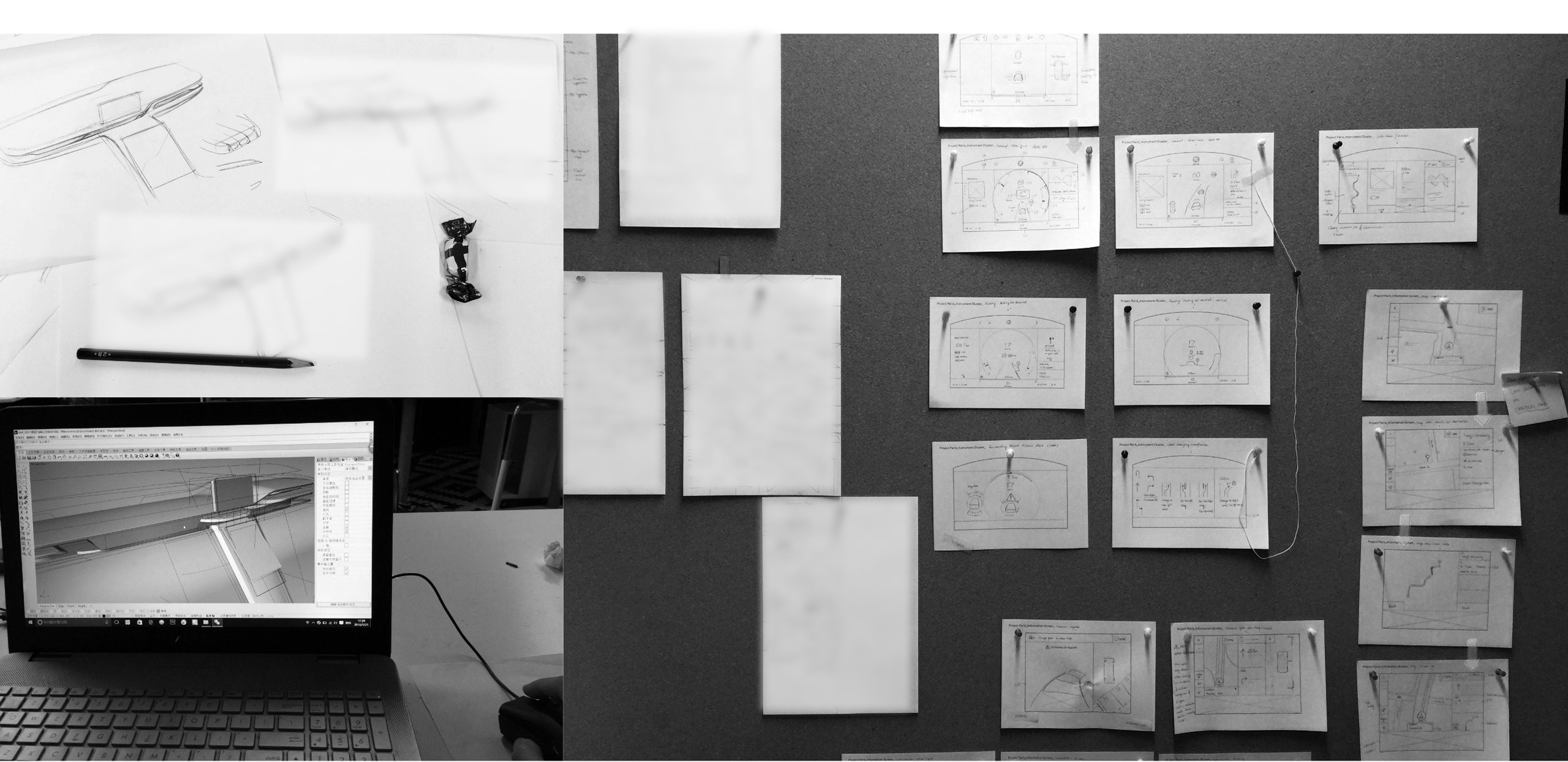
My team collaborated closely with the PSA test team to ensure that the new design was both concrete and technically feasible. The system is not just a sleek concept for showcase purposes but also serves as a guideline and roadmap for their next-generation product. We conducted several internal tests using the customized HMI Simulation Test Platform.
No need to dig.
Proactively surfacing what's needed.
With the system-wide proactive mechanism, relevant functions and data are displayed without the need for user input. The UI is designed to be neat and self-organizing, making most tasks accessible within a single step in their respective use scenarios.
Universal Smart Suggestion
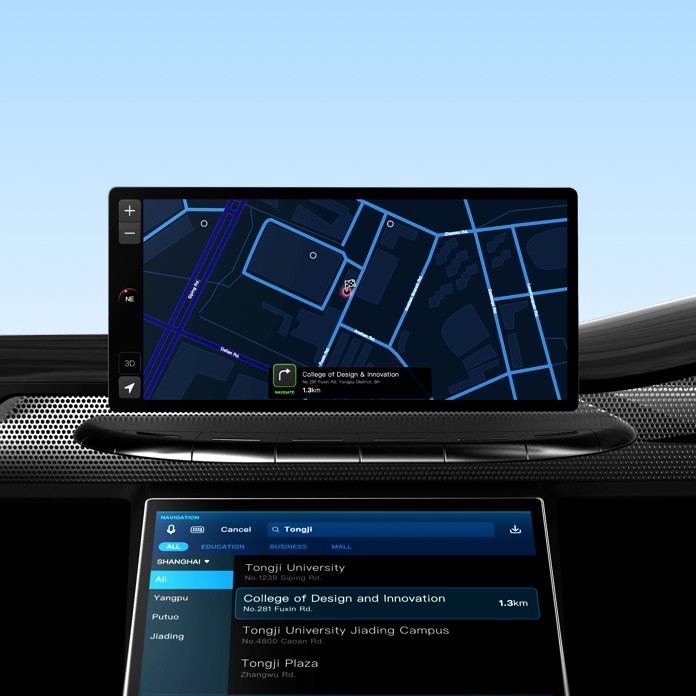
The system provides scenario predictions and task suggestions within various built-in apps, such as Navigation and Cabin Ambient. For example, the Navigation app might recommend the most likely destination and suggest a POI (Point of Interest) search based on environmental information. This suggestion-based approach is integrated into nearly every aspect of the infotainment system to minimize the need for user interaction.
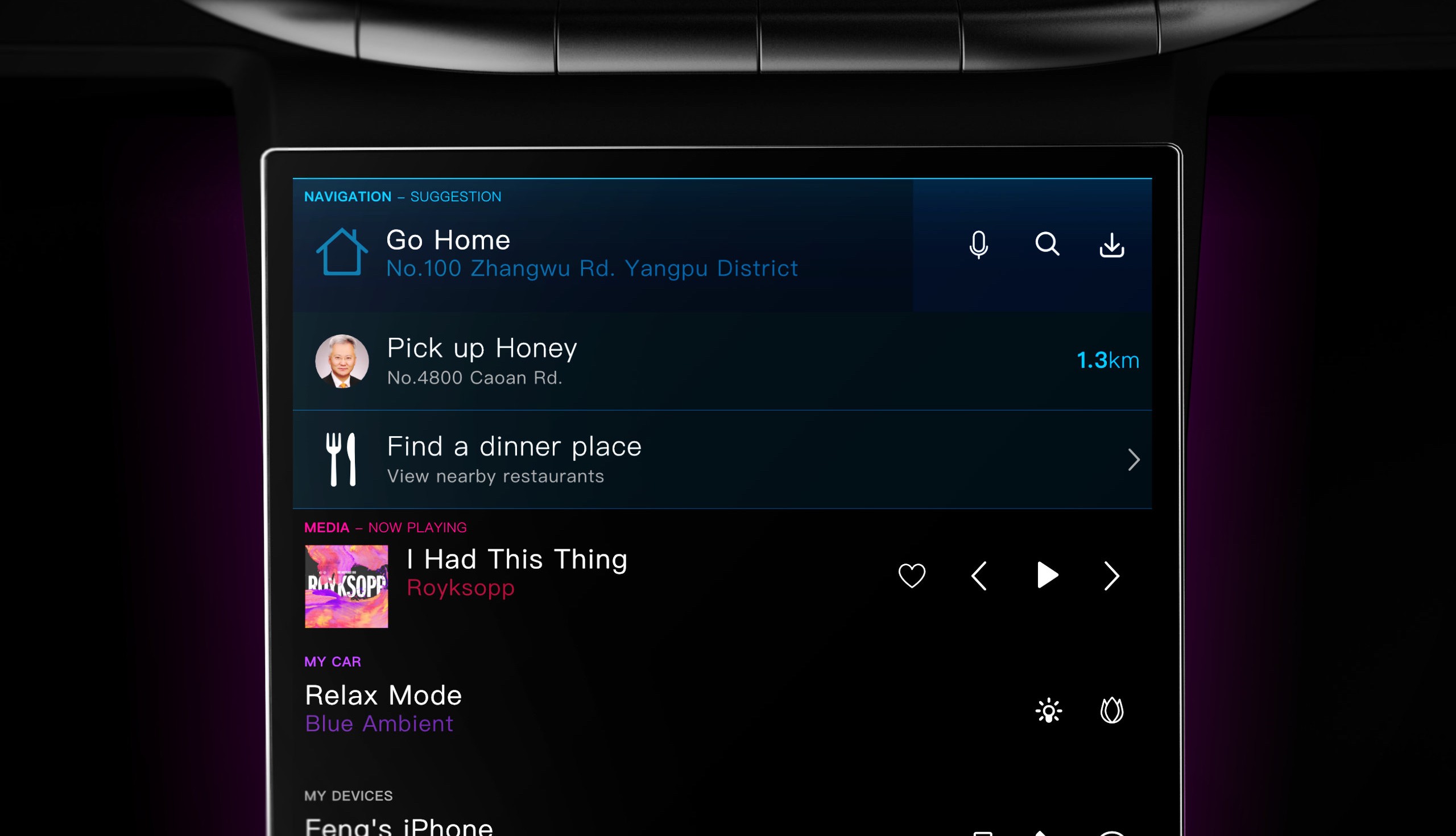
Additionally, in collaboration with the camera sensor and skin temperature sensor, the system can proactively adjust the ambient lighting, fragrance, and zone temperature.
Assistance Display
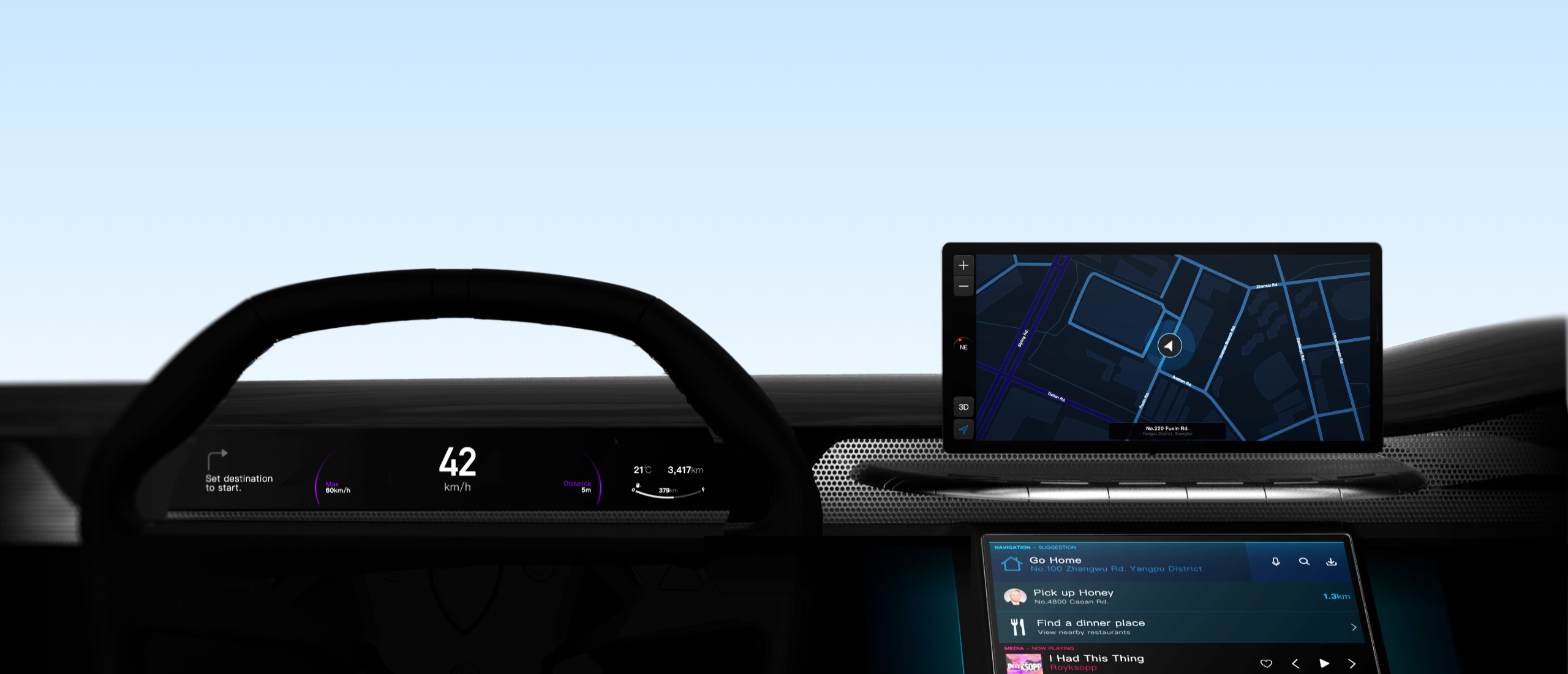
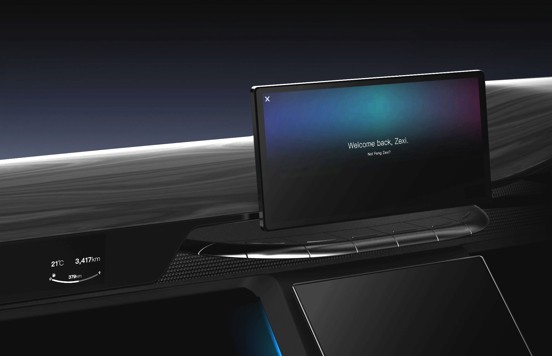
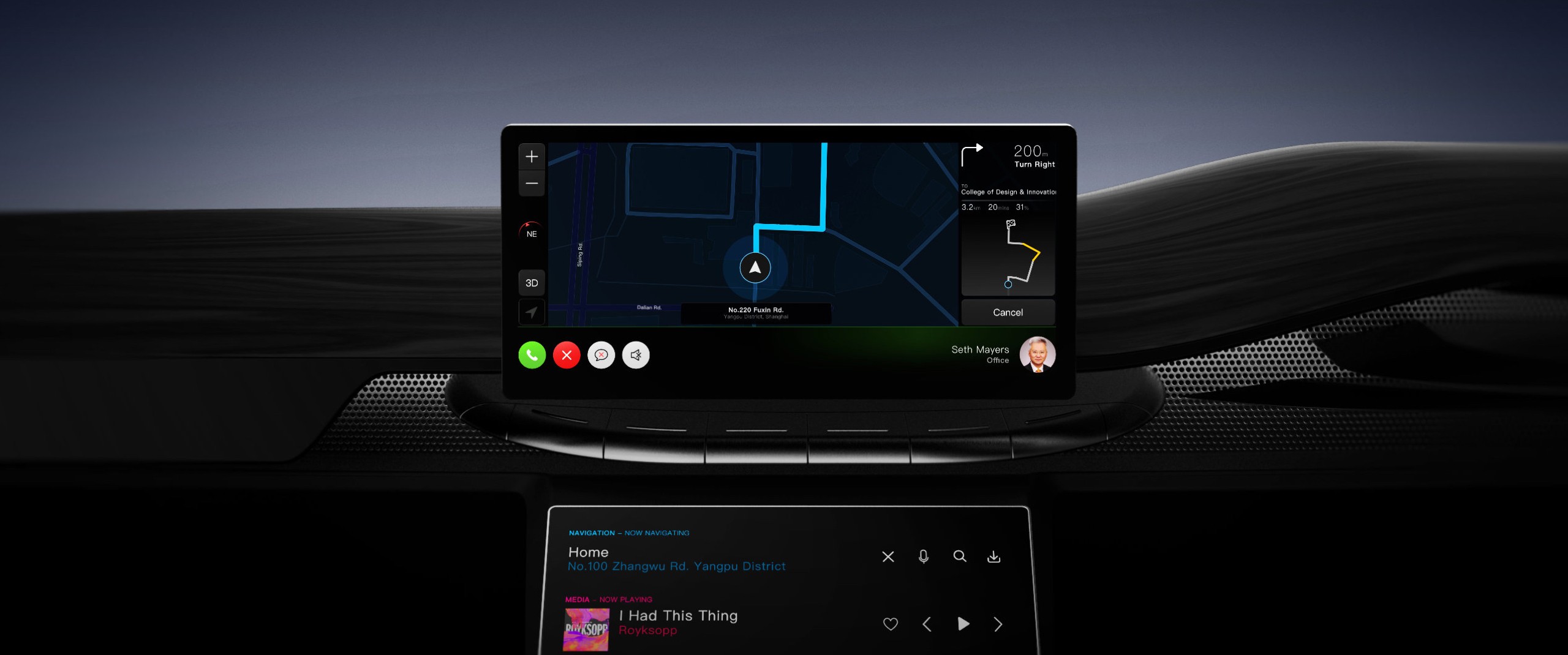
In addition to the vertical dashboard touchscreen, the assistance display located above the dashboard provides information and controls for time-sensitive use cases, such as turn-by-turn navigation or phone calls, directly within the driver’s line of sight.
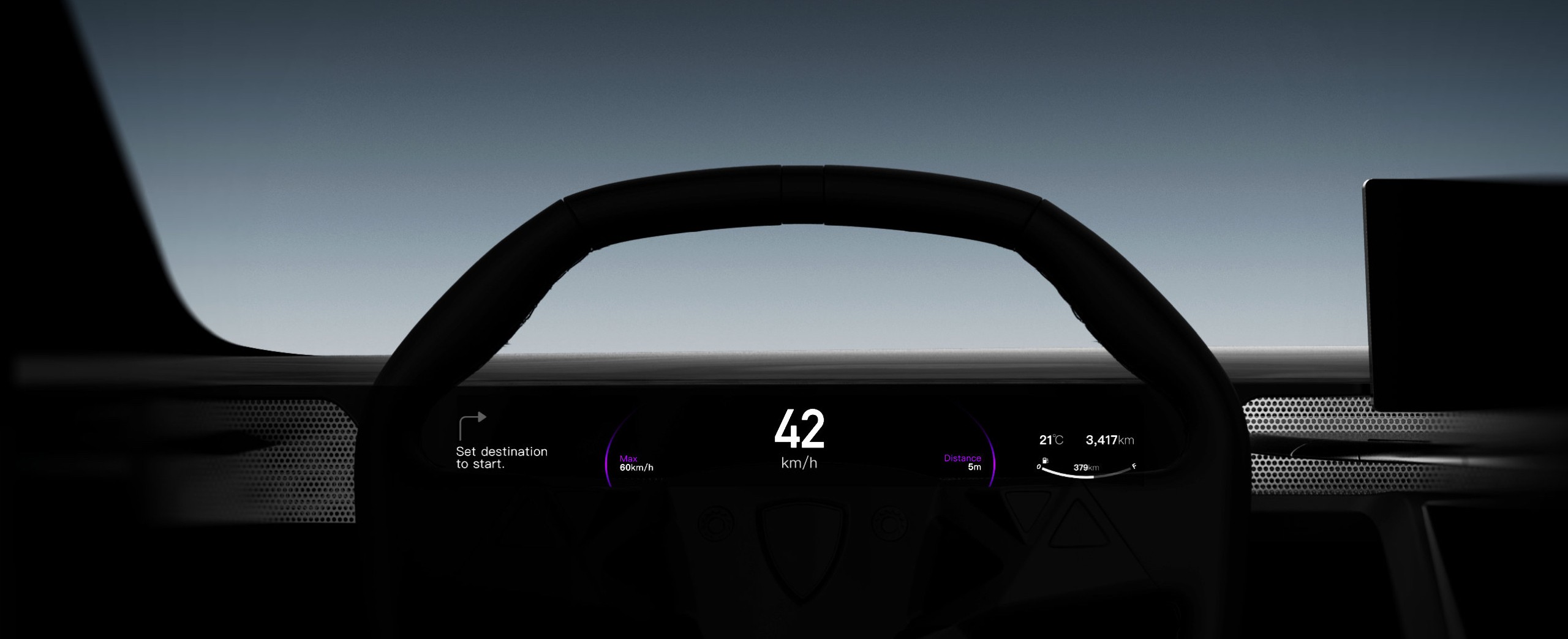
Instrument Belt
The instrument cluster was redesigned to be more adaptive and less obtrusive. Initially, we started with a windshield-projection HUD, but we found it difficult to read in some of our simulation scenarios. The reimagined belt-like display is positioned slightly lower than the windshield, offering the same low view obstruction as the HUD but with a larger canvas and improved visibility.
Reflection.
Innovation is the natural outcome of asking more profound questions, not merely the act of creating something different.
There are many different ways to approach a concept design project, each tailored to its specific purpose, but I believe that being innovative is never just a goal—it’s a practice. Innovation is a continuous process, a long-term design strategy that ultimately enables a design to achieve its objectives. In this concept development project, our purpose was to inspire, and our goal was to make the system more powerful yet simpler. We chose to take a different approach, not because we set out to be different, but because we asked more profound and insightful questions. Being different wasn’t the intention or strategy; it was the outcome of our journey to find the solution.