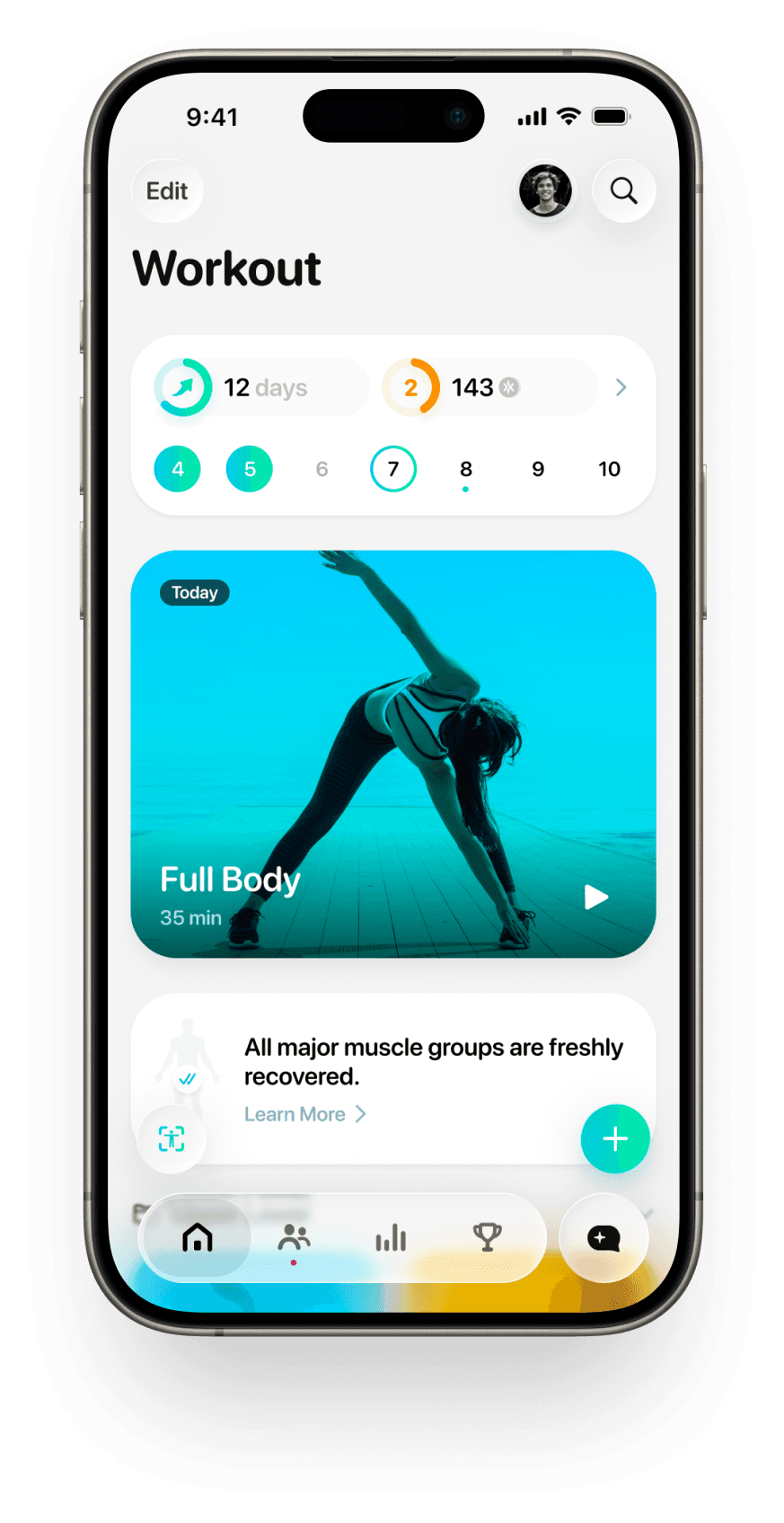
Flex
2018 ~ 2026 · Design Lead
Defining AI-powered systems that drive real-world behaviour change

0 to 1 million

Design system

Cross-platform
Flex set out to become the go-to platform for serious beginners — people who had decided to change, but kept failing due to lack of structure, confidence, and consistency. These people were stitching together workouts from YouTube, Reddit, and notes apps, operating without a clear system, feedback loop, or progression model.
The Problem
Fitness apps optimize for tracking. Beginners need decision removal and confidence building.
People weren't failing from lack of access to workouts — they were failing from the cognitive burden of having to learn, plan, and execute simultaneously. When Flex evolved into an AI personal trainer, the design challenge became: how do you make a powerful AI system drive real consistency, not just generate plans?
My Role
Founding designer. I built the design org, process, and system from scratch — and defined the full interaction model for Lex, Flex's LLM-based AI personal trainer, including the hybrid AI/structured flow system, when the AI intervenes, and the behaviour loops that drive retention. I worked directly with the CEO and tech lead throughout.
Key Decisions
1
Structure over chat
Pure conversational interfaces introduced ambiguity and reduced conversion in onboarding. I tested a structured FTX that guides users through a focused questionnaire, using AI to generate personalized routines behind the scenes, minimizing cognitive load without removing personalization.

Control
Structured FTX
The structured FTX ended up cutting the onboarding drop-off by 31% to 2.3%, at the same time increasing the D1 retention by almost 20%.
Beyond onboarding, the same tension exists inside the chat experience itself. Once people are in conversation with Lex, open-ended input still introduces ambiguity. The solution wasn't to abandon conversation — it was to add structure within it. I introduced two patterns that make the hybrid model work in practice:
Contextual prompt suggestions surface relevant, pre-formed inputs based on where the user is in their journey, reducing the blank-input problem without removing the freedom to type freely.
Inline structured menus appear within the chat flow when Lex responds with content that has clear hierarchy — such as a generated workout plan. Rather than presenting it as a wall of text, the response renders as a scannable, tappable UI component, making the AI output immediately actionable.
2
Automation requires transparency
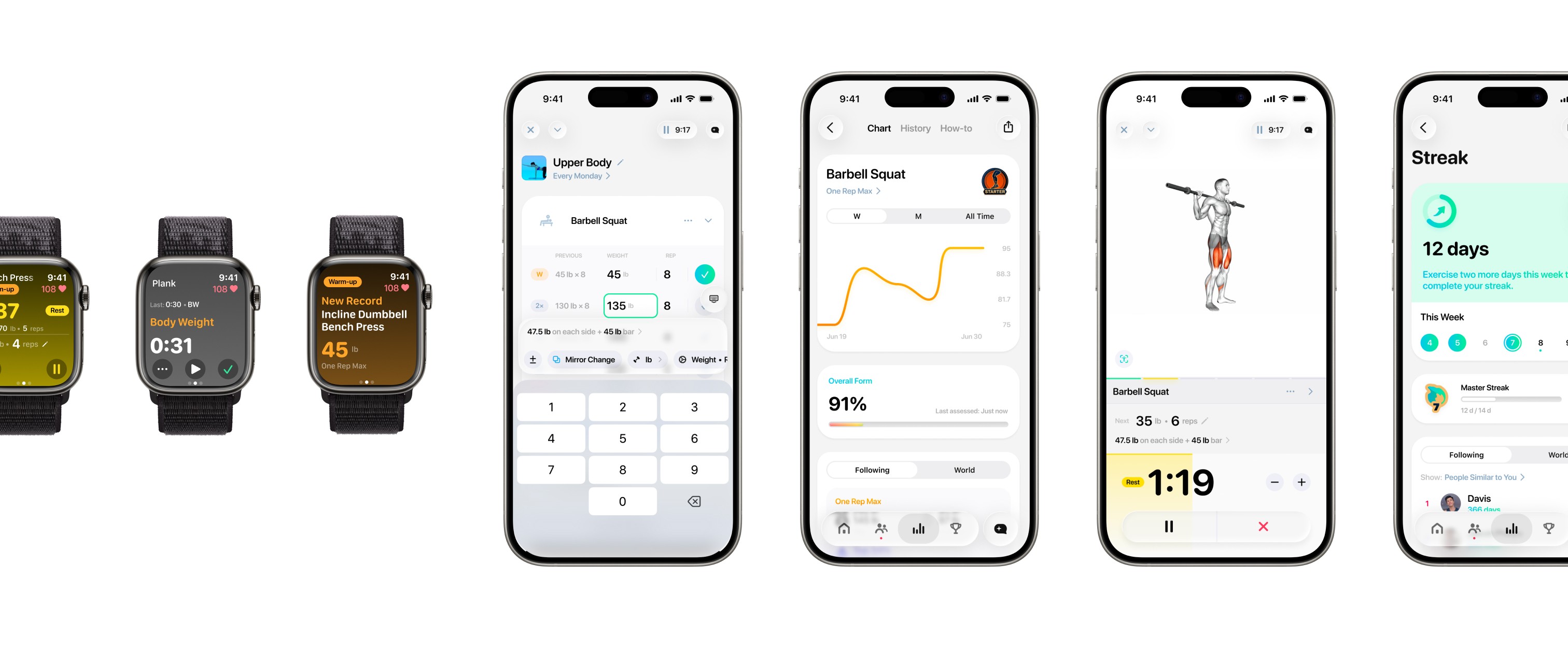
Progressive overload is key to anyone who wants to achieve their fitness goals whether it’s build muscles or lose fat, but knowing when to overload or de-load and by how much volume is often a guessing game.
Auto-progression removed cognitive load but eroded trust — people didn't understand why their workout changed.
I introduced a progression summary at the start of workouts to explain changes and reinforce trust in the system.
3
Reinforce, don't just report
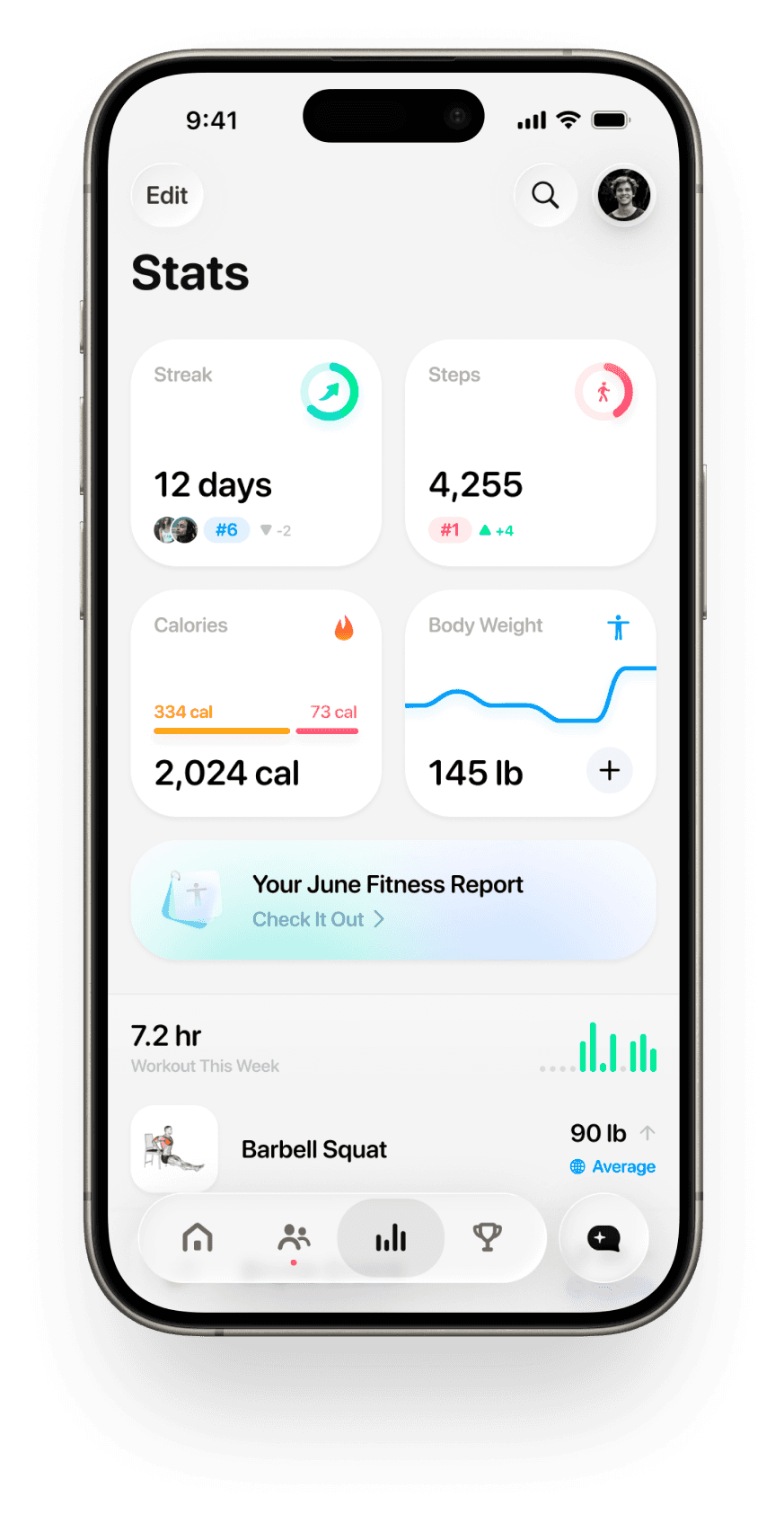
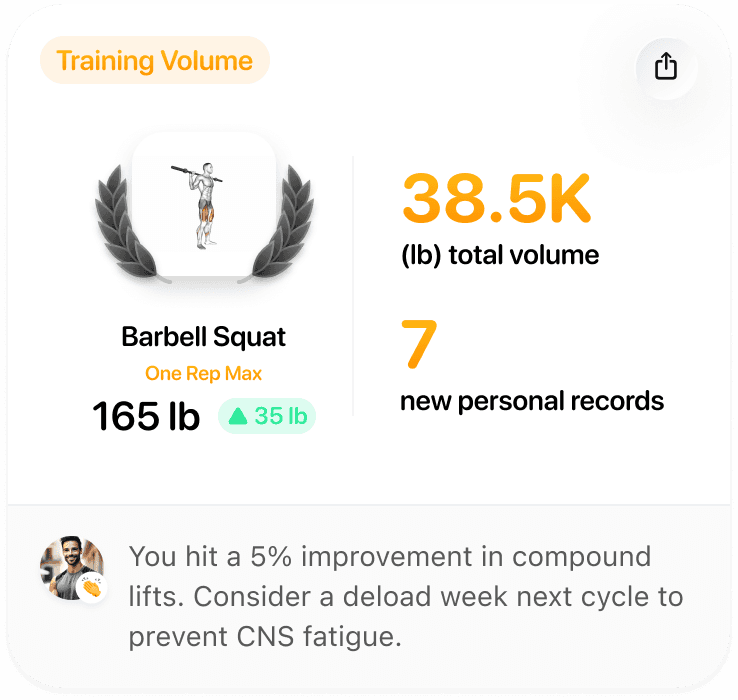
The post-workout moment is peak motivation. Instead of a data summary, I designed it as a reinforcement system — surfacing streaks, PRs, long-term progress, and share-ability to close each session in a way that pulls people back next time.
Micro wins, macro context
A core challenge with fitness is that meaningful change is slow — body composition shifts over months, not sessions. If the experience only reflects the big picture, most days feel like standing still. The strategy was to pair small, session-level wins with long-term progress signals so users always had something to feel good about. A PR on a single exercise might be modest, but it's real and immediate. A streak increasing by one is small — but showing the total workouts completed reframes it as evidence of a much longer journey. Every session needed to feel like progress, even when the big changes hadn't arrived yet.
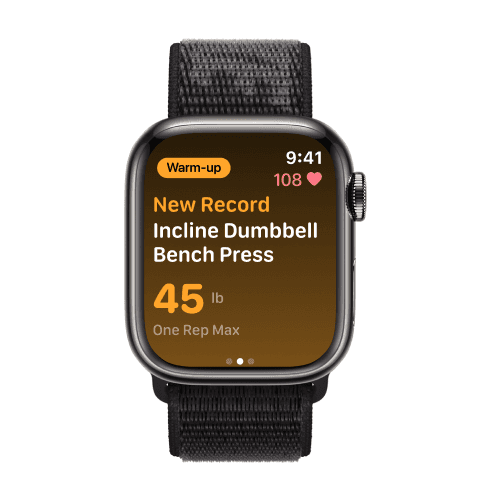
Celebrating milestones to sustain momentum
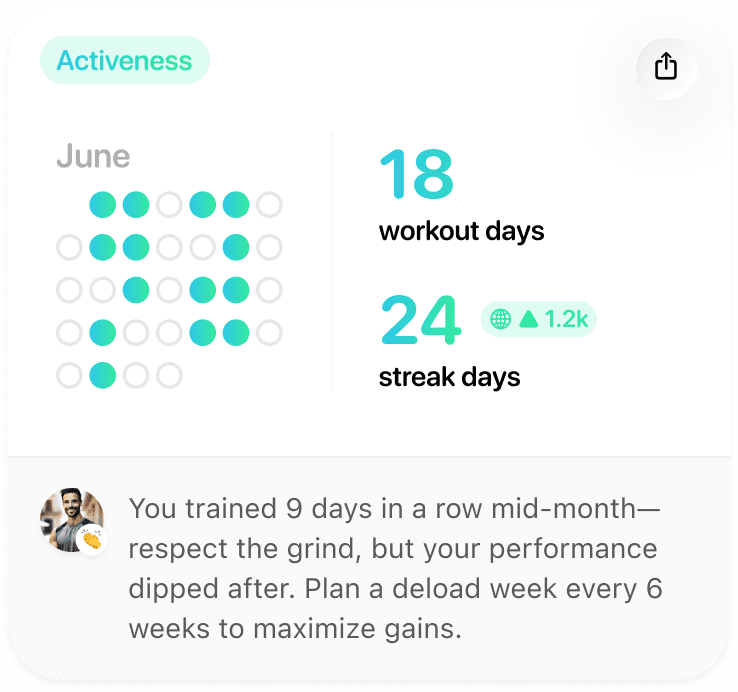
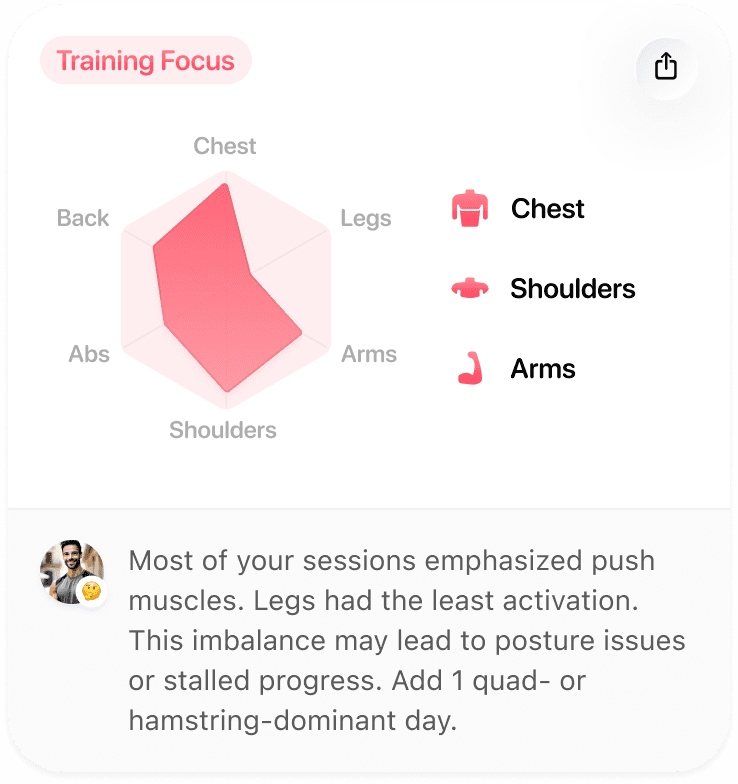
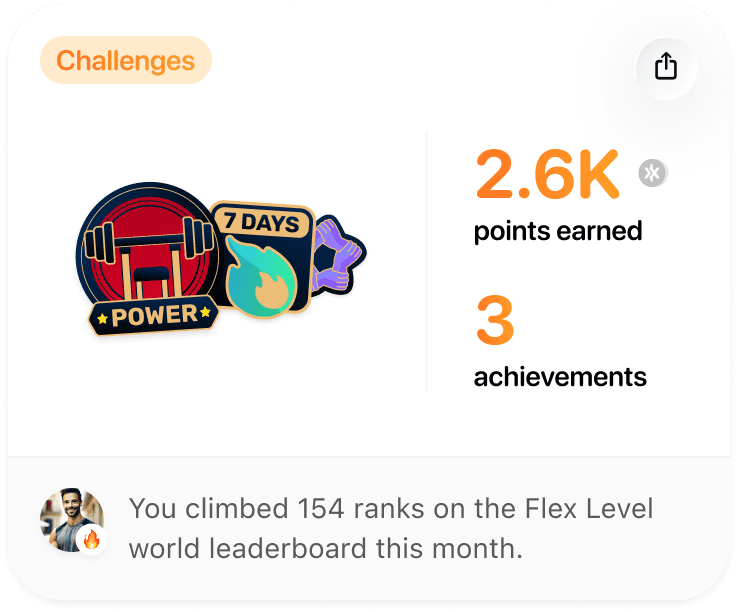
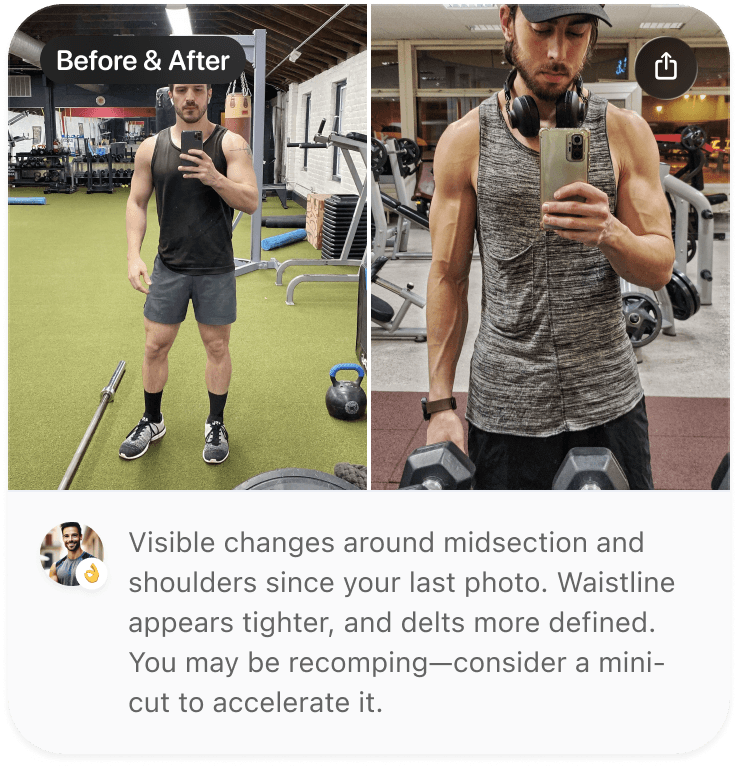
Longer streaks of consistency need a different kind of recognition. Fitness progress at the macro level is nearly invisible short-term — body composition shifts over months, not sessions. Without a deliberate pause point, people lose perspective on how far they've come.
I designed the monthly report to create that moment: a structured reflection surfacing achievements, behavioural patterns, and before-and-after comparisons that session-level data simply can't show. The key decision was to frame it not as a data report but as a coaching debrief — Lex interprets the numbers personally, flags imbalances, and suggests adjustments — reinforcing the person's identity as someone who shows up, while giving them the calibration to keep improving.
Reinforcement as a growth loop
Peak motivational moments are also peak sharing moments. I designed the post-workout reinforcement elements — session highlights, PRs, streaks, and monthly review cards — as shareable artifacts from the ground up, not as an afterthought. People can share directly to the in-app social network or to external platforms with a single tap. This serves two distinct goals: internally, it deepens engagement by embedding people in a community where others' achievements become motivational signals; externally, every share is organic product exposure — a real person celebrating a real result, which is far more credible than paid acquisition. Reinforcement and growth become the same feature.
4
Passive AI, proactive at key moments
Constant AI intervention creates noise and trains people to ignore it. The challenge with an LLM-based trainer is knowing when to speak — too often and it becomes wallpaper, too rarely and it loses its value. For a fitness app like Flex, people don’t come here for AI, they do for fitness. And we should use AI to enhance fitness.
I defined a proactivity model where Lex stays passive by default and surfaces only at moments of genuine high impact: onboarding setup, workout start when progression changes, the form feedback, and the monthly review. The form feedback and the monthly report are deliberate applications of this principle — rather than drip-feeding AI commentary throughout, Lex earns the user's attention once with a comprehensive, contextually rich debrief. Timing the AI's voice to natural reflection points makes it feel considered rather than intrusive, and significantly more likely to drive a real behaviour change.
Expose context to build trust
Earn the attention in the right context
Outcomes
1,000,000+ users across iOS, Android, and Web · 4.7/5 App Store rating (US)
D28 retention: +68% → 6.2% — driven by reduced cognitive load, reinforced trust, and compounding habit loops. This puts Flex on par with top-tier fitness apps like Fitbod (6.08% D30), a significant benchmark for a startup competing against well-resourced incumbents.
Reflections
Structure is critical for behaviour-driven products — conversation alone isn't enough.
Removing decisions requires compensating with transparency.
AI should support habits, not replace systems.
Motivation only works when tied to real progress signals.
Related Links